Few things make a licensed professional's stomach drop like the word audit. You did the hours. You know you did the hours. But can you prove it, years later, if a licensing board asks? For a lot of people the honest answer is a nervous maybe.
The good news is that surviving a continuing education audit has almost nothing to do with luck and everything to do with what you keep on file. Here is exactly what licensed professionals need, and how to stay ready all year instead of panicking when a notice arrives.
What a CEU audit actually is
A CEU audit is simply a licensing board asking you to prove the continuing education you reported. Many boards audit a random percentage of license holders each cycle, which means you do not have to do anything wrong to get selected. It can happen to anyone, at any renewal, and sometimes for hours you completed a year or more ago.
What records you need to keep on file
For every continuing education activity you claim, you want a complete record that a board could accept without follow up questions. At a minimum, hold onto the following for each course.
- Proof of completion. A certificate or official document showing you finished, not just that you registered.
- The completion date. The day you actually finished, which needs to fall inside the renewal period you claimed it for.
- The provider name. Who offered the course, which matters if your board only accepts approved providers.
- Hours earned. The exact number of credit hours, and the category if your board separates them.
- Subject or category. Some boards require specific topics like ethics, so note what each course counts toward.
How long to keep continuing education records
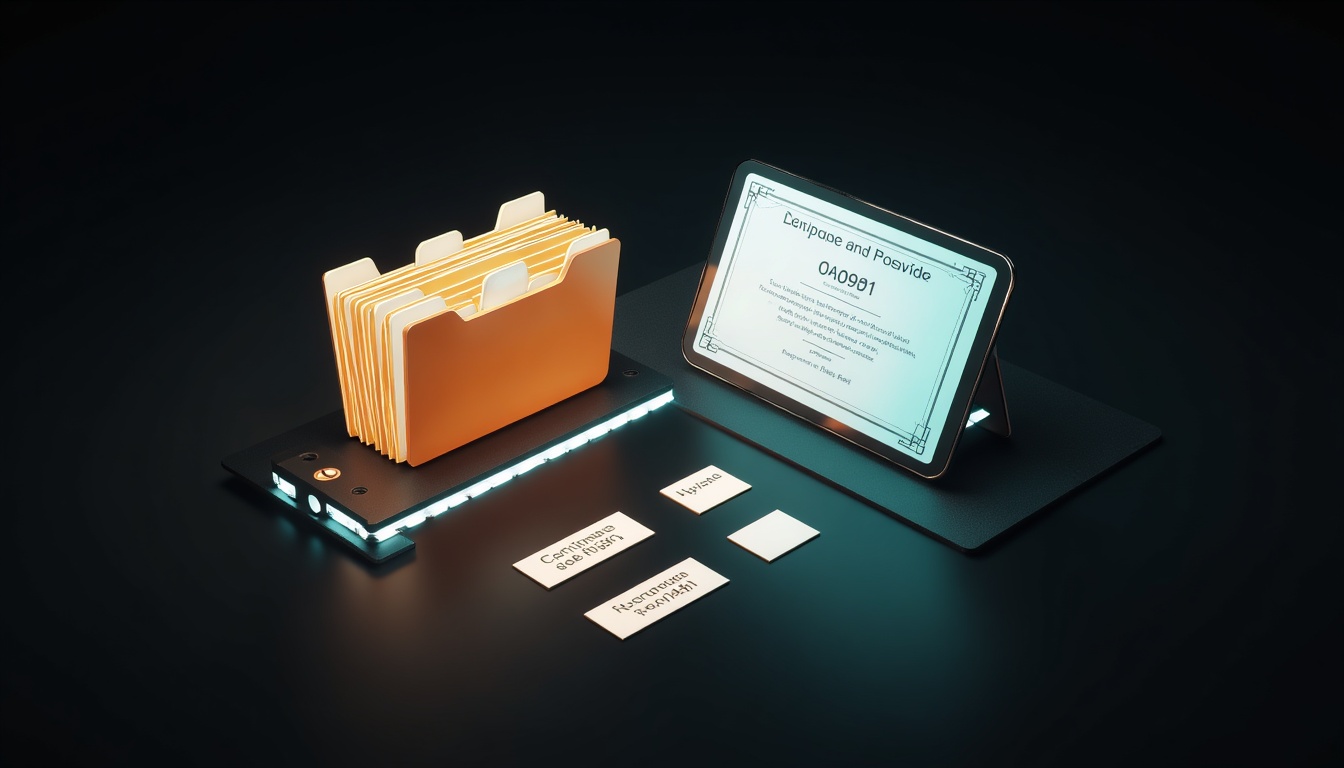
Longer than you would think. Many boards can request records for several years after a renewal, so clearing everything out the moment you renew is a risky habit. A safe rule is to keep proof for at least the length of two full renewal cycles. Storage is cheap. A lapsed license because you deleted a certificate is not.
How to stay audit ready all year
The people who breeze through audits are not more organized by nature. They just capture proof as they go instead of reconstructing it under pressure. Log each course when you finish it, store the certificate with the entry, and keep every license separated by its own requirement. Do that consistently and an audit notice becomes a formality instead of a fire drill.
The single best audit habit is saving the certificate the same day you finish the course. A file you never lost is a file you never have to find.
This is one of the main reasons we built CEU Tracker Pro. It keeps each certificate attached to its log entry and stores everything in your own Google Drive, so your proof is organized, permanent, and ready the moment a board asks. It is one of several tools at TheCubbyStop built to take a recurring headache off your plate for good.
The bottom line
An audit only feels scary when you are not prepared for one. Keep complete proof for every activity, hold onto it well past renewal, and capture it as you go rather than after the fact. Do that and the notice in your inbox becomes a quick task instead of a genuine threat to your license.
Be ready before the board asks
CEU Tracker Pro stores every certificate with its hours in your own Google Drive, so your records are always audit ready.
Explore CEU TrackerFrequently asked questions
What triggers a CEU audit?
Most audits are random. Boards typically select a percentage of license holders each cycle, so being audited does not mean you did anything wrong. It simply means your number came up, which is why staying ready matters for everyone.
What documents do I need for a continuing education audit?
For each activity you claim, keep proof of completion, the completion date, the provider name, the number of hours, and the subject or category. Together those answer nearly every question a board might ask.
How long should I keep my CEU certificates?
Plan to keep proof for at least two full renewal cycles, since many boards can request records years after the fact. Deleting certificates right after renewal is a common mistake that leaves you exposed.
What happens if I fail a CEU audit?
It varies by board. You might be asked to complete missing hours within a set window, pay a fine, or face a temporary license lapse until you are compliant. Solid records are usually what keep a routine audit from becoming a real problem.
Can a tool help me stay audit ready?
Yes. A tool that stores each certificate alongside its log entry, like CEU Tracker Pro, keeps your proof organized and instantly retrievable, so responding to an audit is a matter of minutes rather than a frantic search.